Bridging the Insurance Gap: Practical Steps for Altadena Homeowners Rebuilding After Wildfire
Bridging the Insurance Gap: Practical Steps for Altadena Homeowners Rebuilding After Wildfire

Wildfires have always been a part of California life, but the January 2025 blaze in Altadena took many by surprise—especially when it came to the insurance process. Even communities with historically stable coverage found themselves navigating unexpected challenges. Whether you’re starting from scratch or mid-recovery, here’s a straightforward breakdown to help you bridge the gaps, maximize your resources, and get home faster.
Understanding Altadena’s Insurance Landscape
Before the 2025 wildfires, most Altadena homeowners paid around $2,300 a year for fire insurance—far lower than in Northern California’s high-risk zones. Additionally, fewer than 10% turned to California’s FAIR Plan, the “insurer of last resort," offering basic fire coverage for those denied by standard carriers.
But no matter how well-insured you were, the scale of these fires exposed just how quickly things get complicated:
- The FAIR Plan alone faces $24 billion in exposure in fire-hit neighborhoods
- 33,717 insurance claims related to the fires were filed in just the first month
- Insurers have paid out an eye-popping $6.94 billion already—proving both the size of the disaster and the insurance industry’s active involvement
Understanding your coverage—and where it might fall short—is the key to rebuilding quickly and completely.
Step 1: Document Everything and File Claims ASAP
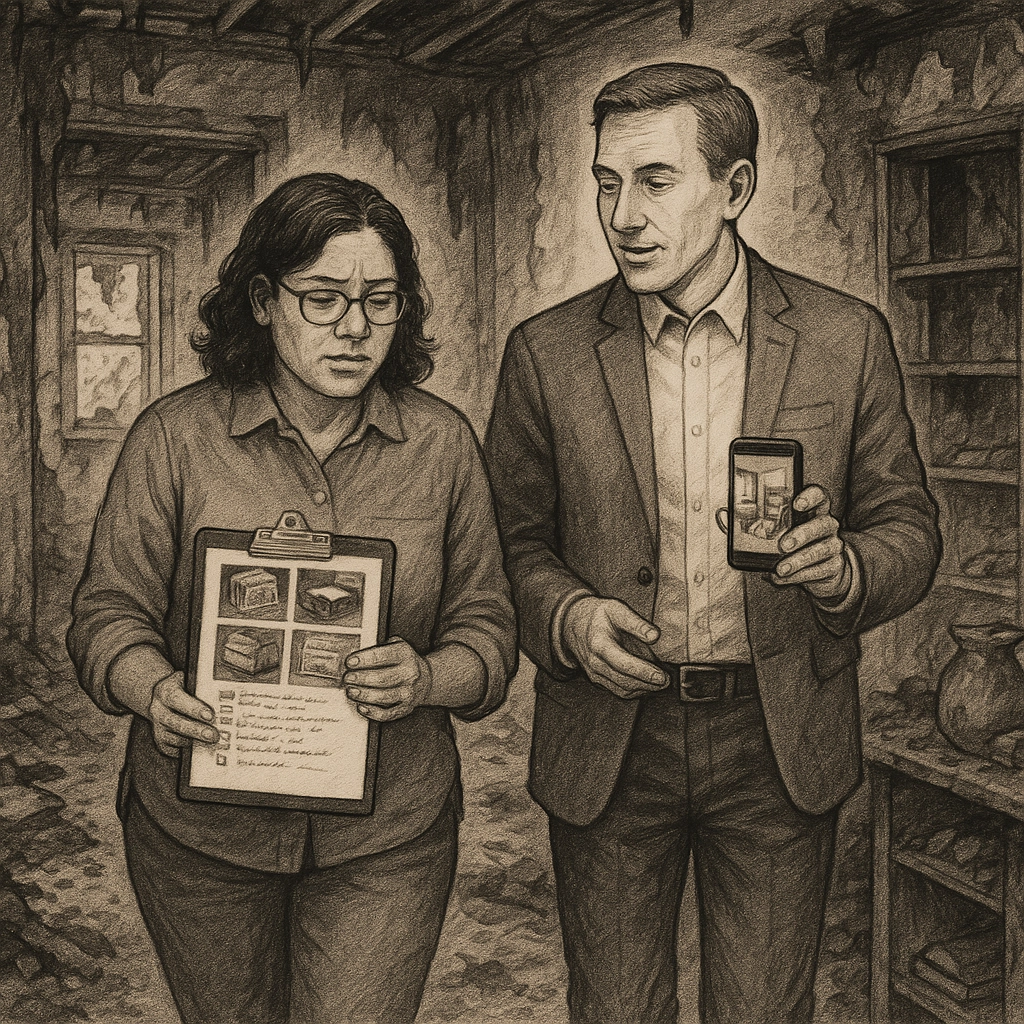
Your first step is simple: document every detail.
- Snap photos and videos of all visible damage (structural, possessions, landscaping, vehicles, and more)
- Make written lists of lost/damaged items if possible—don’t worry about getting it perfect
Take this documentation to your insurer as soon as you can. California law requires insurance companies to provide advance payments for property replacement and temporary housing:
- You should receive up to 30% of your dwelling’s policy limit (max $250,000) to kickstart repairs—without having to itemize everything immediately
- At least four months’ worth of living expenses for alternative accommodations (hotels, rentals) should be sent quickly
If your insurance adjuster drags their feet, escalate up the chain or reach out to the California Department of Insurance at 1-800-927-4357 for hands-on help.
Step 2: Tap Into State and Local Support
More help is out there than you might think:
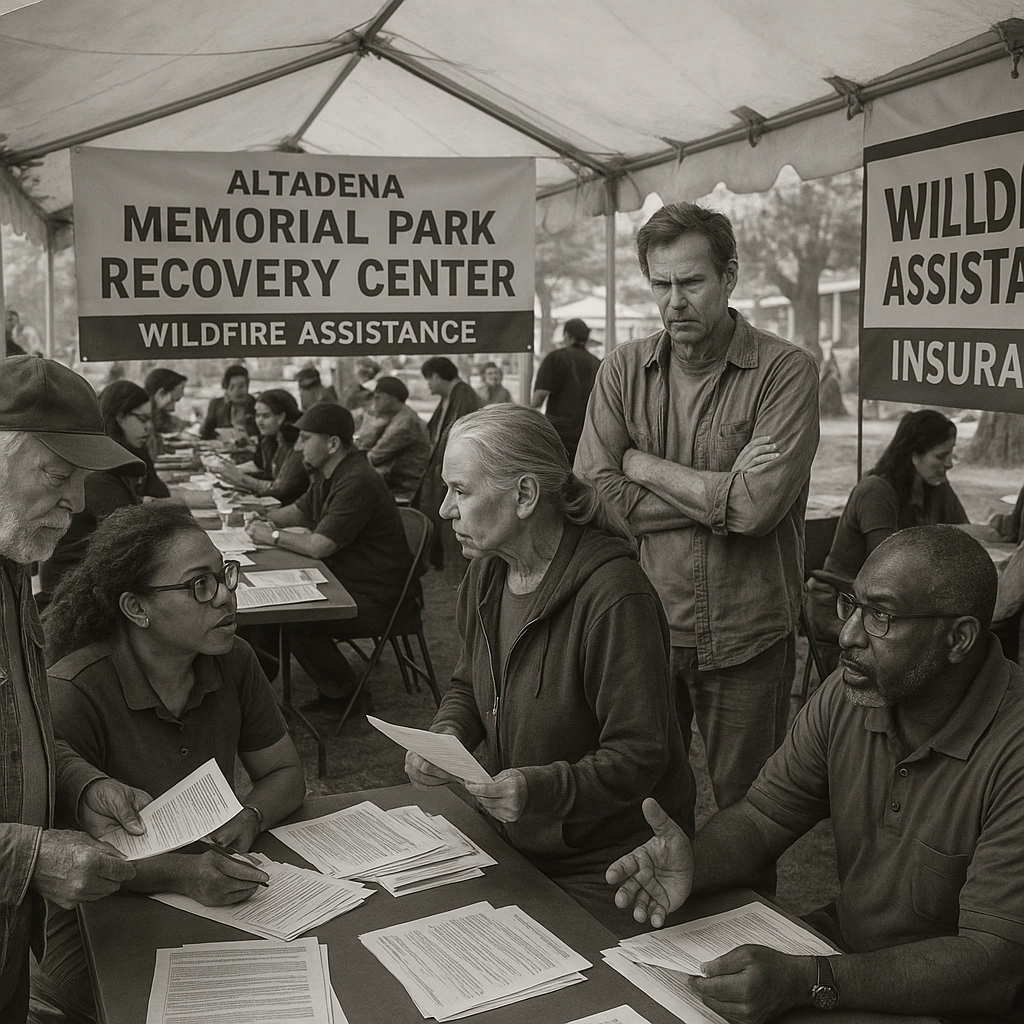
- The California Department of Insurance has assisted over 5,000 residents (many right here in Altadena) in disaster recovery centers and in-person workshops
- Claim help, mediation services, and consumer rights advice are all available for free
- Los Angeles County Public Works can guide you through debris removal grants and safety inspections
Check https://urteaminc.com for links to official support resources and critical updates relevant to Altadena homeowners.
Step 3: Clear Debris and Get Your Property Green-Light
Before you can begin construction, local officials need to certify that your property is safe:
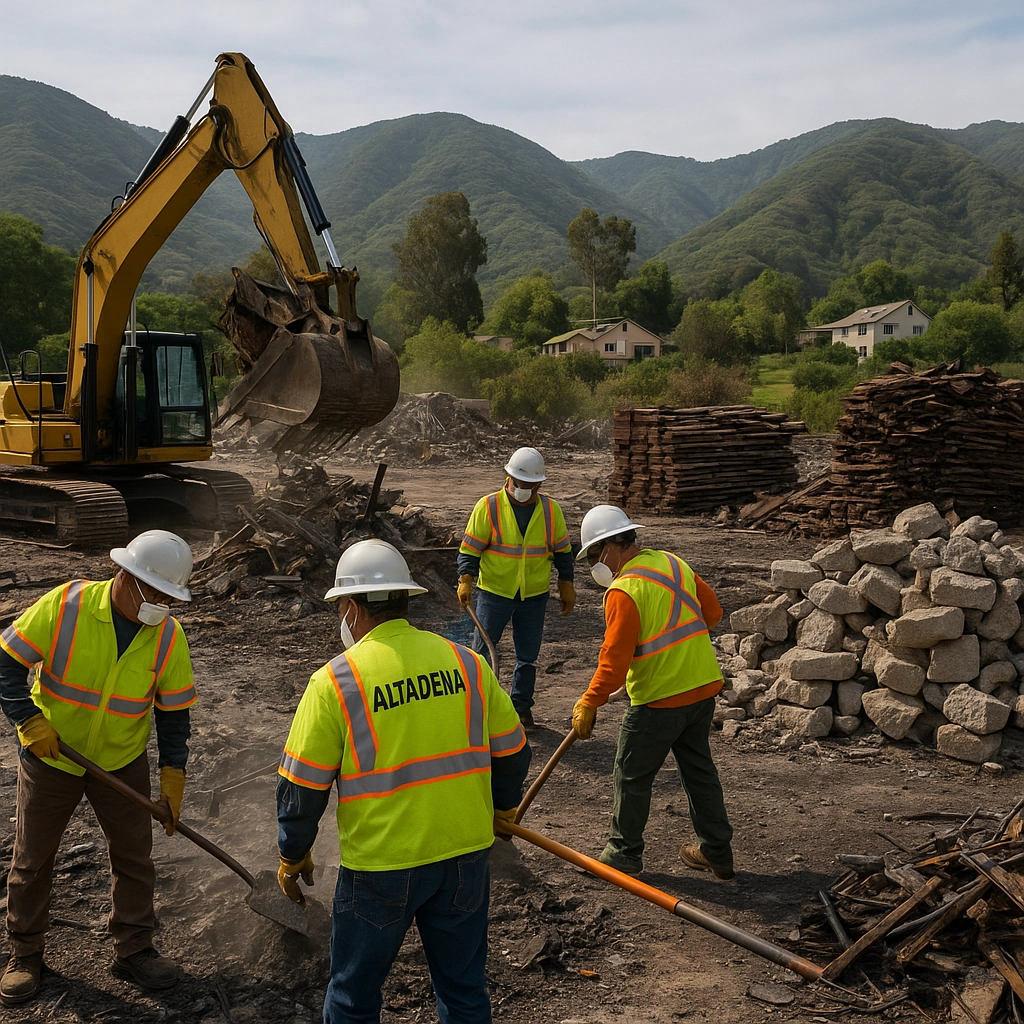
- Hazardous debris cleanup is often covered by public programs—contact LA County for eligibility
- Only start rebuilding once the site is officially marked “all-clear” to avoid costly mistakes or future delays
Pro Tip: If you have landscaping or hardscape features like patios, fences, pools—or beloved old trees—document those too. Replacing them may be covered under your claim.
Step 4: Fast-Track Permits and Rebuilding Plans
To help wildfire victims get back on their feet, LA County has created expedited permitting for “like-for-like” home rebuilds (reconstructing what you lost, not upgrading or expanding just yet).
- This cuts red tape and lets you start work faster
- Supervisor Kathryn Barger’s Altadena Recovery Commission (ARC) is now actively assisting families with paperwork, navigating county regulations, and working with local builders on scalable solutions
Consulting with a licensed local contractor can help ensure your plans meet current code—often with added emphasis on fire resistance.
Step 5: Work With Experts to Optimize Your Claim
You might be tempted to take a quick insurance payout—but carefully review every offer with a trusted advocate.
- Consider working with a public adjuster or someone with experience in fire claims
- Collaborate with builders who specialize in fire-resistant construction for cost estimates and negotiations
- Check that temporary accommodations (rentals, hotels, travel) and costs to replace essentials (appliances, electronics, clothing, furniture) are covered
Remember: Sometimes your insurance settlement can be increased if you prove higher replacement costs than the insurance company initially calculated.
Step 6: Explore Disaster Recovery Funds and Backup Loans
If insurance comes up short, other resources can bridge the gap:
- Federal disaster grants are available to those with major losses — check with FEMA and the state
- For local business owners, U.S. Small Business Administration loans now offer 12-month, zero-interest deferment—providing critical cash-flow breathing room during slow recoveries
- Some banks and credit unions are now offering special products for fire victims—ask around!
Step 7: Rebuild for the Future (and Next Insurance Policy)
Don’t just put the pieces back as they were—use this opportunity to strengthen your home for whatever comes next:
- Install fire-resistant roofs, siding, and windows
- Clear brush and set up defensible space to slow the spread of flames
- Upgrade vents, decks, and home eaves to block embers
- Create or join a neighborhood fire-safe council for shared resources and grant opportunities
Insurers are now required to write policies in wildfire neighborhoods at 85% of their statewide market share (thanks to new state regulations), so expect new options and requirements in the coming years.
Every improvement you make not only boosts your safety—it can also help reduce your future premiums and minimize the risk of non-renewal.
Final Thoughts
Rebuilding after a wildfire is daunting, but Altadena’s supportive community and new regulatory changes provide more resources than ever before. Stay proactive, document meticulously, and ask for help at every step.
Have a specific insurance or real estate question? Connect with our team at UR TEAM Real Estate Services for one-on-one guidance and the latest updates—we’re always here for you.
Resources:
- California Department of Insurance Disaster Help
- LA County Public Works - Wildfire Recovery Info
- UR TEAM Real Estate Services
Recent Posts